Grease fittings, also known as Zerk fittings, are essential components in machinery maintenance. They provide a reliable point to lubricate bearings, joints, and other moving parts. Choosing the right type of grease fitting can significantly enhance equipment performance, extend lifespan, and reduce maintenance costs.
Whether you are maintaining industrial machines, agricultural equipment, or automotive vehicles, understanding the differences between Zerk fittings is crucial for proper lubrication practices and avoiding costly breakdowns.
What Are Grease Fittings?
A grease fitting is a small metal valve that allows grease to be injected into a mechanical component using a grease gun. Its spring-loaded check ball prevents dirt, water, and contaminants from entering the lubrication point, maintaining the integrity of the machinery.
These fittings are commonly referred to as Zerk nipples, lubrication nipples, or grease zerks. They are widely used in industries ranging from construction and agriculture to automotive and manufacturing. Proper installation and selection of reliable grease fittings can save thousands in repair and downtime costs.
Common Types of Grease Fittings
Choosing the right grease fitting type depends on accessibility, load, pressure, and environmental conditions. Here are the most commonly used types:
Straight Grease Fittings
Straight Zerk fittings are the most common type. They allow direct access for standard grease guns, making them ideal for general maintenance tasks.
Example: Bearings on conveyor belts or universal joints often use straight fittings for easy lubrication during scheduled maintenance.
Angled Grease Fittings
Angled grease fittings come in 45-degree and 90-degree options. They provide access in tight or obstructed spaces where straight fittings cannot be applied.
Example: Suspension linkages on construction machinery often require angled fittings to reach hidden joints without disassembling components.
Button Head Grease Fittings
Button head fittings feature a rounded, larger surface designed for high-flow grease delivery. These fittings are highly durable and suitable for heavy machinery.
Example: Excavator bucket pins and agricultural tractors benefit from button head fittings for quick, high-volume lubrication. Upgrade your maintenance toolkit with a metal grease nipple for reliable performance.
Flush Grease Fittings
Flush or low-profile grease fittings minimize protrusion to prevent damage or interference in tight machinery spaces.
Example: Robotic arms and compact industrial equipment often use flush fittings to maintain smooth operation without snagging.
Drive-In Grease Fittings
Drive-in fittings do not require threads and are pressed directly into pre-drilled holes. They are convenient for repairs and retrofits but are best used in low-pressure systems.
Example: Sheet metal components in HVAC systems often utilize drive-in grease fittings for quick maintenance.
Remote or Extended Grease Fittings
Extended grease fittings allow lubrication points to be relocated for easier access. They are commonly integrated into centralized lubrication systems.
Example: Enclosed bearings in large conveyor systems benefit from remote fittings, reducing maintenance time and safety risks.
Materials and Thread Types
Grease fittings come in different materials depending on application and environment:
- Steel: Standard use for general machinery.
- Stainless Steel: Corrosion-resistant, suitable for marine and chemical environments.
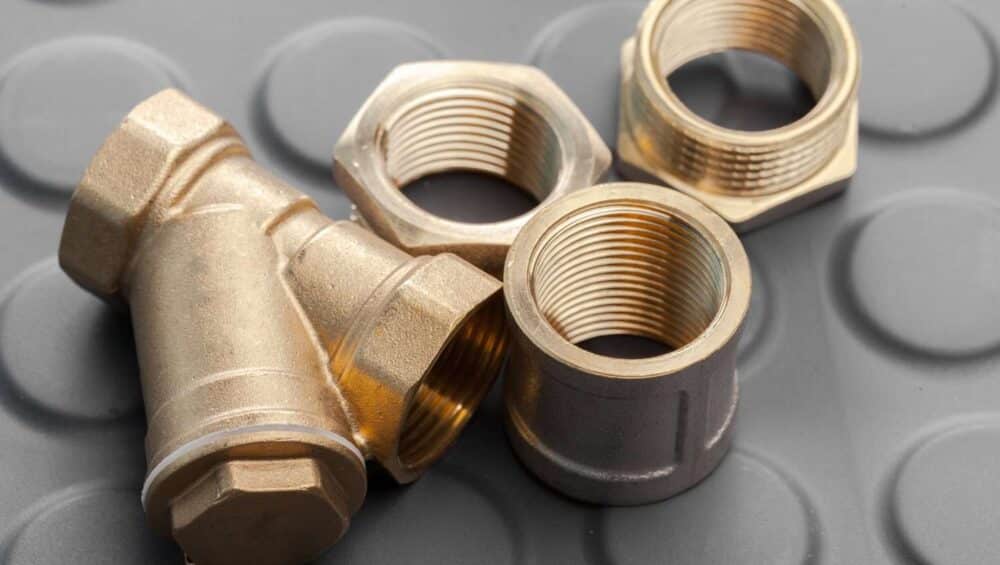
- Brass: Non-sparking, ideal for food and sensitive industries.
Thread types also vary: metric sizes like M6 or M8 are common in European machinery, while SAE threads such as 1/4-28 UNF are typical in North American equipment. Matching the thread ensures proper sealing and longevity of the Zerk fitting.
Installation and Maintenance Tips
Installing grease fittings correctly ensures effective lubrication:
- Ensure threads match and are clean before installation.
- Apply the correct torque to avoid damage to the component or fitting.
- Use high-quality grease compatible with the equipment’s requirements.
- Regularly inspect fittings for wear, blockage, or corrosion.
Practical maintenance experience shows that neglected or incompatible grease fittings are a leading cause of premature bearing failure. Use high-quality grease compatible with the equipment’s requirements.
For optimal operation, pair your grease fittings with a pressure grease gun to ensure efficient lubrication every time.
Choosing the Right Grease Fitting
Selecting the correct grease zerk type involves assessing the following factors:
Accessibility
Can the grease gun easily reach the fitting? Proper access ensures lubrication is performed efficiently and prevents missed maintenance points. Straight or angled Zerk fittings are chosen based on how easily the grease gun can connect.
Load and Pressure Requirements
Heavy-duty applications may require button head or high-flow grease fittings to handle higher volumes of lubrication. Ensure smooth operation by connecting them with a grease gun coupler for fast and secure grease delivery.
Environmental Conditions
Corrosive, wet, or high-impact environments demand durable materials like stainless steel or flush grease fittings. These resist wear, prevent contamination, and protect your machinery in challenging conditions.
Frequency of Lubrication
Frequent lubrication in hard-to-reach areas benefits from remote or angled grease fittings. They reduce maintenance time and make it safer for technicians to keep machines properly lubricated without disassembly.
Risks of Using the Wrong Grease Fitting
Using an incorrect grease fitting can lead to insufficient lubrication, contamination, or even damage to critical machine parts. Choosing the right type ensures optimal performance and prolongs the lifespan of your equipment.
Using the wrong grease fitting can lead to insufficient lubrication, contamination, or damage to critical machine parts.
Advantages of Using High-Quality Grease Fittings
Investing in premium Zerk fittings provides several benefits:
- Extends machinery life by ensuring consistent lubrication.
- Reduces downtime and maintenance costs.
- Protects equipment from contamination, corrosion, and wear.
- Supports safe maintenance practices by allowing easy and controlled lubrication.
Industrial operators often notice improved machine reliability after upgrading to high-quality grease fittings with optimized placement and material selection.
AI Overview
Explore the types of grease fittings (Zerk fittings), their uses, materials, and maintenance tips to ensure long-lasting machinery performance and smooth industrial operations. Learn how selecting the right Zerk fitting improves efficiency, prevents equipment wear, and reduces maintenance costs.
FAQs
What is a Zerk fitting?
A Zerk fitting is a small valve that allows grease to be injected into machinery components. It uses a check ball to prevent dirt and contaminants from entering.
How do I choose the right grease fitting?
Select a grease fitting based on accessibility, load, environment, and thread type. The correct choice ensures proper lubrication and machine longevity.
Can grease fittings be reused?
Yes, fittings can be reused if they are not damaged or clogged. Regular inspection ensures effective and safe lubrication.
Why are angled grease fittings important?
Angled grease fittings allow lubrication in tight or obstructed spaces. They save time and prevent disassembly of machinery components.
Conclusion
Understanding the different types of grease fittings (Zerk fittings) is essential for maintaining machinery performance and preventing costly breakdowns. From straight and angled to button head, flush, and remote fittings, each type serves a specific purpose based on accessibility, load, and environmental conditions.
Selecting the right grease fitting ensures consistent lubrication, reduces wear, and extends equipment lifespan. For expert advice on choosing, installing, or maintaining Zerk fittings for industrial, automotive, or agricultural machinery, Luluat Al Noor Building Materials Trading LLC is your trusted partner in the UAE.
Contact with our industry experts now for professional guidance and tailored lubrication solutions that keep your machinery running smoothly.
Explore More Expert Insights
Discover guides on industrial tools, safety equipment, and building materials to power your next project.
- Top 10 Essential Marine Safety Equipment Every Vessel Needs: Stay safe at sea with must-have marine gear
- Rubber Bellows and Their Industrial Application & Benefits: Flexible solutions for industrial protection and performance
- A Beginner’s Guide to Flange Types & Their Applications: A simple overview of common flange types used across industrial piping systems.
- Common Coupling Failures and How to Prevent Them: Key causes of coupling issues and how to avoid system failures.
- Silicone vs. Rubber: Key Differences and Applications: Understand material differences to choose the right industrial solution.