Marine operations involve constant exposure to risk. From unpredictable weather to mechanical failure, safety at sea depends on preparation, training, and the right equipment onboard.
Whether operating a commercial ship, offshore vessel, fishing boat, or private yacht, compliance and crew protection start with reliable safety systems.
This guide covers the top 10 essential marine safety equipment every vessel needs, based on real maritime use, regulatory standards, and operational experience.
Why Marine Safety Equipment Is Non-Negotiable
The maritime environment allows little margin for error. Fires spread faster, flooding escalates quickly, and rescue response time can be limited by distance and weather.
Certified marine safety equipment protects lives, prevents accidents from escalating, and ensures vessels meet international compliance requirements.
1. Life Jackets and Rescue Life Jacket Vests
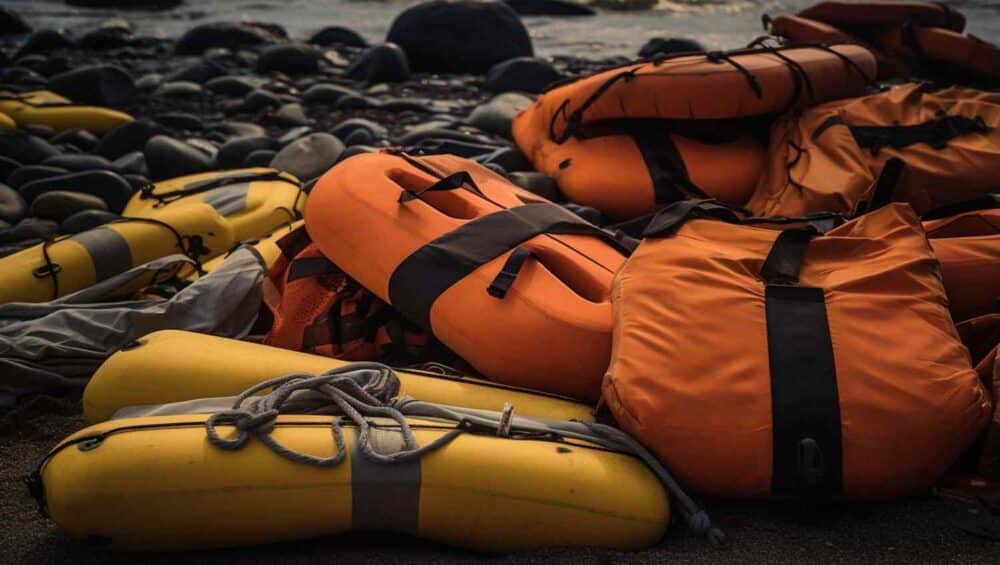
Every person onboard must have access to an approved life jacket. These are mandatory for all vessel types and are critical during abandon ship or man overboard incidents.
Modern rescue life jacket vests include automatic inflation, reflective panels, and lifting points for recovery operations. Choosing a certified rescue life jacket vest ensures reliable crew protection and compliance during man overboard situations.
2. Lifebuoys and Man Overboard Equipment
A lifebuoy provides immediate flotation and visual reference when someone falls overboard. Placement near rails and work areas improves response time.
Advanced models include self-igniting lights and smoke signals to enhance visibility during low light or rough sea conditions.
3. Life Rafts and Emergency Evacuation Systems
When evacuation becomes unavoidable, life rafts serve as the primary survival platform. SOLAS approved rafts are designed for stability, insulation, and extended survival.
Hydrostatic release units ensure automatic deployment if the vessel sinks. Regular servicing is legally required.
4. EPIRBs and Emergency Communication Devices
An EPIRB transmits a distress signal with precise GPS coordinates when activated. This dramatically reduces search and rescue response times.
These devices operate independently of vessel power and remain functional even in extreme conditions.
5. Firefighting Equipment and Detection Systems
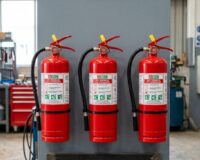
Fire is one of the most dangerous onboard emergencies. Certified firefighting equipment must be accessible, properly rated, and suited to different fire classes.
This includes extinguishers, fire blankets, engine room suppression systems, and smoke detection alarms. Routine drills save lives.
6. Marine First Aid Kits and Medical Supplies
A compliant marine first aid kit allows crews to manage injuries until professional medical assistance is available.
Commercial vessels must meet flag state medical carriage rules. Waterproof packaging and clear labeling improve effectiveness during emergencies.
7. Bilge Pumps and Flood Control Systems
Uncontrolled water ingress can quickly compromise vessel stability. Bilge pumps remove excess water and help prevent flooding.
Manual pumps act as critical backups during electrical failures. High-water alarms provide early warning. Maintenance ensures reliability.
8. Distress Signals and Visual Alert Equipment
Visual distress signals allow vessels to communicate emergencies when radio contact is unavailable.
These include handheld flares, smoke signals, and LED strobe lights. Expired or damaged units must be replaced immediately. Proper storage prevents accidental activation.
9. Marine PPE and Crew Safety Gear
Daily operations expose crews to slips, burns, and impact injuries. Marine PPE such as helmets, gloves, safety boots, and harnesses reduce operational risk.
Quality PPE supports a strong safety culture and reduces incident rates onboard.
10. Navigation Lights and Collision Avoidance Systems
Functional navigation lights ensure vessels remain visible and compliant in restricted visibility. These systems are supported by GPS AIS navigation, which broadcasts vessel position, speed, and identity to surrounding traffic.
Installing a dependable GPS AIS navigation system helps reduce collision risks in congested sea lanes and restricted visibility conditions. Navigation safety improves significantly when visibility systems are supported by real time vessel tracking.
For fishing and coastal vessels, underwater awareness plays a vital safety role. A fishing portable transducer fish finder sonar helps detect seabed contours and submerged hazards that could compromise hull integrity.
Vessel Protection Systems That Enhance Marine Safety
Safety is not limited to emergency response. Structural protection systems play a key role in preventing incidents before they occur.
Marine Coating Waterproofing Polyurea Paint
Hull and deck protection is a preventive safety measure. Applying marine coating waterproofing polyurea paint helps prevent water ingress, improves slip resistance, and enhances long term vessel safety.
These coatings improve slip resistance, reduce structural degradation, and extend vessel service life. Preventing corrosion reduces the risk of sudden failures at sea.
Stainless Steel Wire Rope
Stainless steel wire rope is a safety-critical component in many marine operations. It is used for guard rails, rescue lifting, towing, and securing loads.
Selecting certified stainless steel wire rope ensures dependable load bearing performance and corrosion resistance in demanding marine environments.
Compliance with Marine Safety Regulations
International conventions such as SOLAS and IMO standards define minimum safety requirements for vessels worldwide.
Compliance with marine safety regulations protects crews, ensures insurance validity, and prevents detentions or fines during port inspections. Regular audits and documentation are as important as the equipment itself.
Sourcing certified products from a trusted supplier simplifies audits and inspections. Exploring a complete range of marine equipment helps vessel operators maintain compliance while upgrading onboard safety systems.
AI Overview
This blog explains the top 10 essential marine safety equipment every vessel needs, covering life saving gear, navigation safety, emergency systems, vessel protection solutions, and regulatory compliance to ensure safer marine operations.
FAQs
What are the 10 types of life-saving equipment onboard ships?
Life saving equipment includes life jackets, lifebuoys, life rafts, EPIRBs, immersion suits, rescue boats, distress signals, fire extinguishers, bilge pumps, and emergency lighting.
What are the 10 personal protective equipments?
Personal protective equipment includes helmets, gloves, safety boots, coveralls, eye protection, hearing protection, life jackets, safety harnesses, respirators, and anti slip footwear.
What safety equipment must be in a boat?
Boats must carry life jackets, fire extinguishers, navigation lights, distress signals, bilge pumps, first aid kits, and emergency communication devices.
What are the 5 critical equipment on a ship?
Critical ship safety equipment includes life saving appliances, firefighting systems, navigation equipment, emergency communication devices, and bilge control systems.
Conclusion
Marine safety is built on preparation, compliance, and the right equipment onboard. From life saving appliances to navigation support and vessel protection systems, each component plays a critical role in reducing risk and protecting crews at sea.
Investing in certified marine safety equipment improves operational reliability, supports regulatory compliance, and enhances emergency readiness across all vessel types.
If you are sourcing dependable marine safety equipment, vessel protection solutions, and compliant safety systems, Luluat Al Noor Building Materials Trading LLC is your trusted partner for quality products, technical expertise, and reliable support serving the UAE and global marine industry.
Connect with our team today for reliable marine safety solutions.
Explore More Expert Insights
Discover guides on industrial tools, safety equipment, and building materials to power your next project.
- A Beginner’s Guide to Flange Types & Their Applications: A simple overview of common flange types used across industrial piping systems.
- Common Coupling Failures and How to Prevent Them: Key causes of coupling issues and how to avoid system failures.
- Silicone vs. Rubber: Key Differences and Applications: Understand material differences to choose the right industrial solution.
- Top Hydraulic Hose and Fitting Brands You Must Know: Trusted brands known for hydraulic performance and reliability.
- Top 10 Mining and Drilling Tools and Brands Miner Should Have: Essential tools and brands for efficient mining and drilling operations.